- July 06, 2026
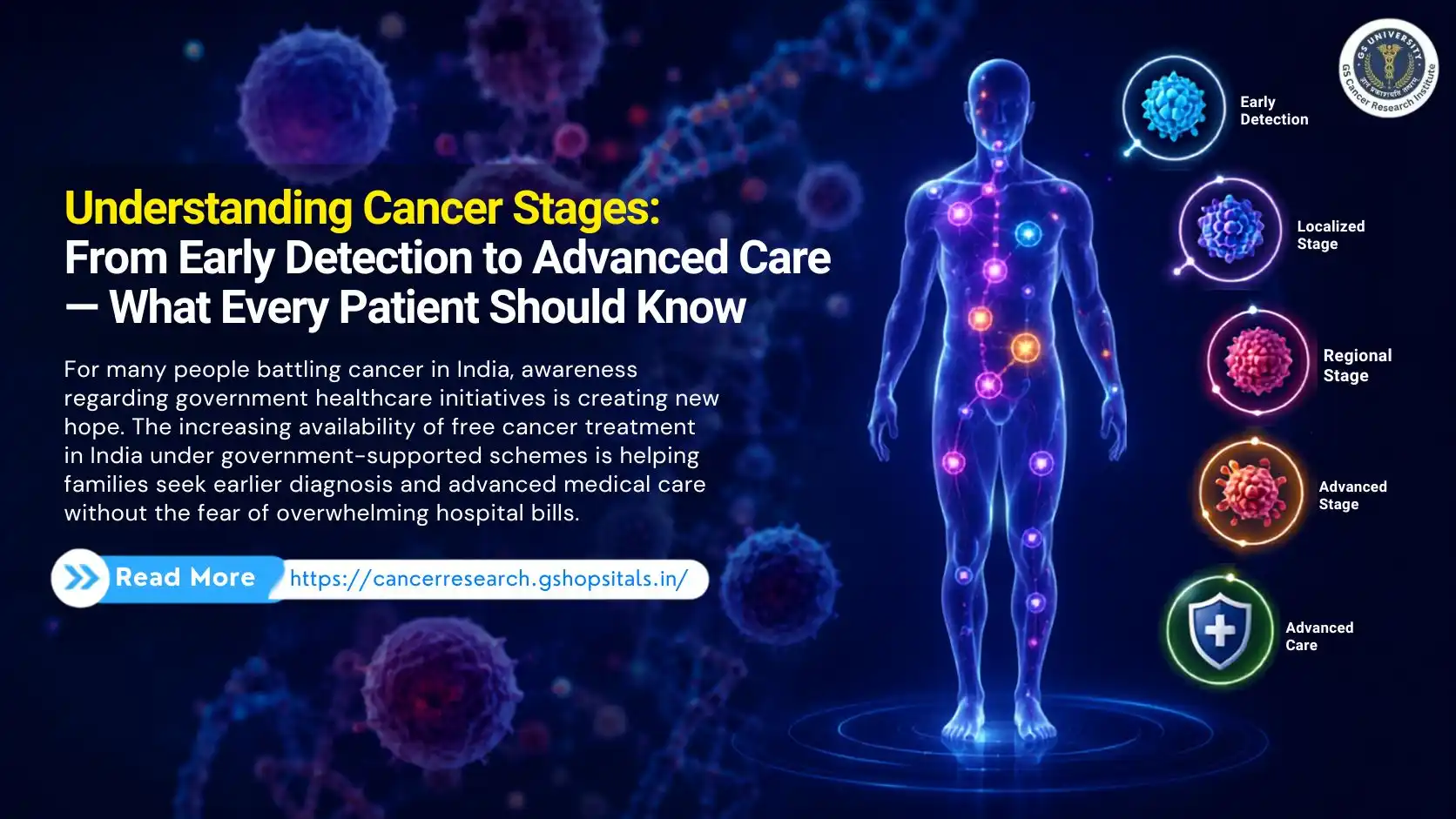
Understanding Cancer Stages: From Early Detection to Advanced Care — What Every Patient Should Know
Cancer is one of the most widely discussed health conditions today, yet many people still feel confused when they hear terms like “Stage 1” or “Stage 4.” What do these stages really mean? How does cancer progress in the body? And most importantly, how do these stages impact treatment and survival?
This guide breaks down cancer stages explained in a simple, human way—so you can better understand the journey from diagnosis to treatment and recovery.
What Are Cancer Stages?
Cancer staging is a method doctors use to describe how much cancer is in the body and how far it has spread. It helps determine:
- The severity of the disease
- The best treatment approach
- The expected outcome or prognosis
The most commonly used system divides cancer into four main stages (Stage 1 to Stage 4), with some cancers also including Stage 0.
The 4 Stages of Cancer Explained
Stage 1: Early Stage Cancer
This is often referred to as localized cancer.
- Cancer is small and confined to its original location
- It has not spread to nearby tissues or lymph nodes
- Symptoms may be minimal or absent
Why it matters:
This is the stage where treatment is usually most effective. Surgery or targeted therapy often leads to excellent outcomes.
Early stage vs late stage cancer:
At this point, the difference is critical—early detection significantly increases survival chances.
Stage 2: Local Spread Begins
At Stage 2:
- Tumor size increases
- Cancer may begin spreading to nearby tissues or lymph nodes
- Symptoms may start appearing depending on the cancer type
Common signs might include:
- Unusual lumps
- Persistent fatigue
- Mild pain or discomfort
Treatment approach:
A combination of surgery, chemotherapy, or radiation is often recommended.
Stage 3: Advanced Local Spread
This stage indicates more aggressive disease:
- Cancer has spread extensively to nearby lymph nodes
- It may invade surrounding organs or tissues
- Symptoms become more noticeable
Possible symptoms:
- Significant weight loss
- Chronic pain
- Noticeable swelling
Treatment:
More intensive, often involving multiple therapies such as chemotherapy, radiation, and sometimes surgery.
Stage 4: Metastatic Cancer
This is the most advanced stage.
- Cancer has spread to distant organs like lungs, liver, brain, or bones
- It is also known as metastatic cancer
How cancer spreads in body:
Cancer cells break away from the original tumor, travel through the bloodstream or lymphatic system, and form new tumors in other organs.
Symptoms may include:
- Severe fatigue
- Difficulty breathing
- Organ-specific complications
Treatment focus:
While cure may be challenging, treatments aim to:
- Control cancer growth
- Relieve symptoms
- Improve quality of life
How Cancer Spreads in the Body
Understanding how cancer spreads in body helps explain why staging is so important.
Cancer spreads through three main ways:
- Direct Extension: Tumor grows into nearby tissues
- Lymphatic System: Cancer cells travel through lymph nodes
- Bloodstream: Cells spread to distant organs (metastasis)
This progression is what separates early stage vs late stage cancer, making early diagnosis crucial.
cancer stages and survival rate
One of the most common concerns is survival. While outcomes vary depending on cancer type and patient health, staging plays a major role.
General trend:
- Stage 1: Highest survival rates (often 80–90% or more in many cancers)
- Stage 2: Slightly reduced but still strong outcomes
- Stage 3: Moderate survival rates with aggressive treatment
- Stage 4: Lower survival rates, but many patients live longer with modern therapies
It’s important to remember:
Survival rates are not fixed predictions—they are statistical averages. Many patients exceed expectations with the right care.
Importance of Early Detection
Early detection can dramatically change outcomes.
Benefits include:
- Less aggressive treatment
- Lower cost of care
- Higher survival rates
- Better quality of life
Regular screenings, awareness of symptoms, and timely medical consultation can make a life-saving difference.
Treatment Options Across Cancer Stages
Treatment varies depending on stage, type, and patient condition.
Common treatments include:
- Surgery: Removal of tumor (common in early stages)
- Chemotherapy: Destroys cancer cells throughout the body
- Radiation Therapy: Targets specific areas
- Immunotherapy: Boosts body’s natural defenses
- Targeted Therapy: Focuses on specific cancer cells
Advanced institutions like GS Cancer Research Institute integrate multiple therapies for personalized care.
Choosing the Right Hospital Matters
Cancer care requires expertise, advanced technology, and a compassionate approach.
Patients often look for trusted centers such as:
- GS Super Speciality Hospital — known as a Best Hospital in Hapur for comprehensive cancer care
- Leading facilities across the region recognized as the Best Hospital in Delhi NCR offering multidisciplinary oncology services
Access to the right care team can significantly impact outcomes, especially in advanced stages.
Emotional and Mental Aspects of Cancer Staging
Beyond physical health, cancer staging can be emotionally overwhelming.
Patients may experience:
- Fear and anxiety
- Uncertainty about the future
- Stress related to treatment
Support systems matter:
- Counseling
- Family support
- Patient communities
A holistic approach to care addresses both physical and emotional well-being.
Living with Cancer: Hope Beyond Stages
A cancer diagnosis is not the end of the story.
Medical advancements have:
- Improved survival rates
- Made treatments more targeted
- Enhanced quality of life
Many patients continue to live fulfilling lives—even with advanced-stage cancer.
Conclusion
Understanding the cancer stages explained is key to making informed decisions about treatment and care.
From early stage vs late stage cancer , to knowing how cancer spreads in body, awareness empowers patients and families to act quickly and wisely.
With the right medical support, early detection, and a positive mindset, cancer can be managed—and in many cases, overcome.
Frequently Asked Questions (FAQs)
1. What are the 4 stages of cancer?
The four main stages are:
- Stage 1: Localized cancer
- Stage 2: Limited spread
- Stage 3: Advanced local spread
- Stage 4: Metastatic cancer
2. How is early stage cancer different from late stage cancer?
Early stage cancer is confined to one area and easier to treat, while late stage cancer has spread to other parts of the body, making treatment more complex.
3. How does cancer spread in the body?
Cancer spreads through:
- Nearby tissue invasion
- Lymphatic system
- Bloodstream to distant organs
4. What is the survival rate for different cancer stages?
Survival rates are highest in early stages and decrease as cancer progresses, but outcomes vary based on cancer type and treatment.
5. Which hospital is best for cancer treatment in Hapur and Delhi NCR?
Trusted institutions like GS Super Speciality Hospital and GS Cancer Research Institute are known for advanced cancer care, along with several reputed centers recognized as the Best Hospital in Delhi NCR.