- June 29, 2026
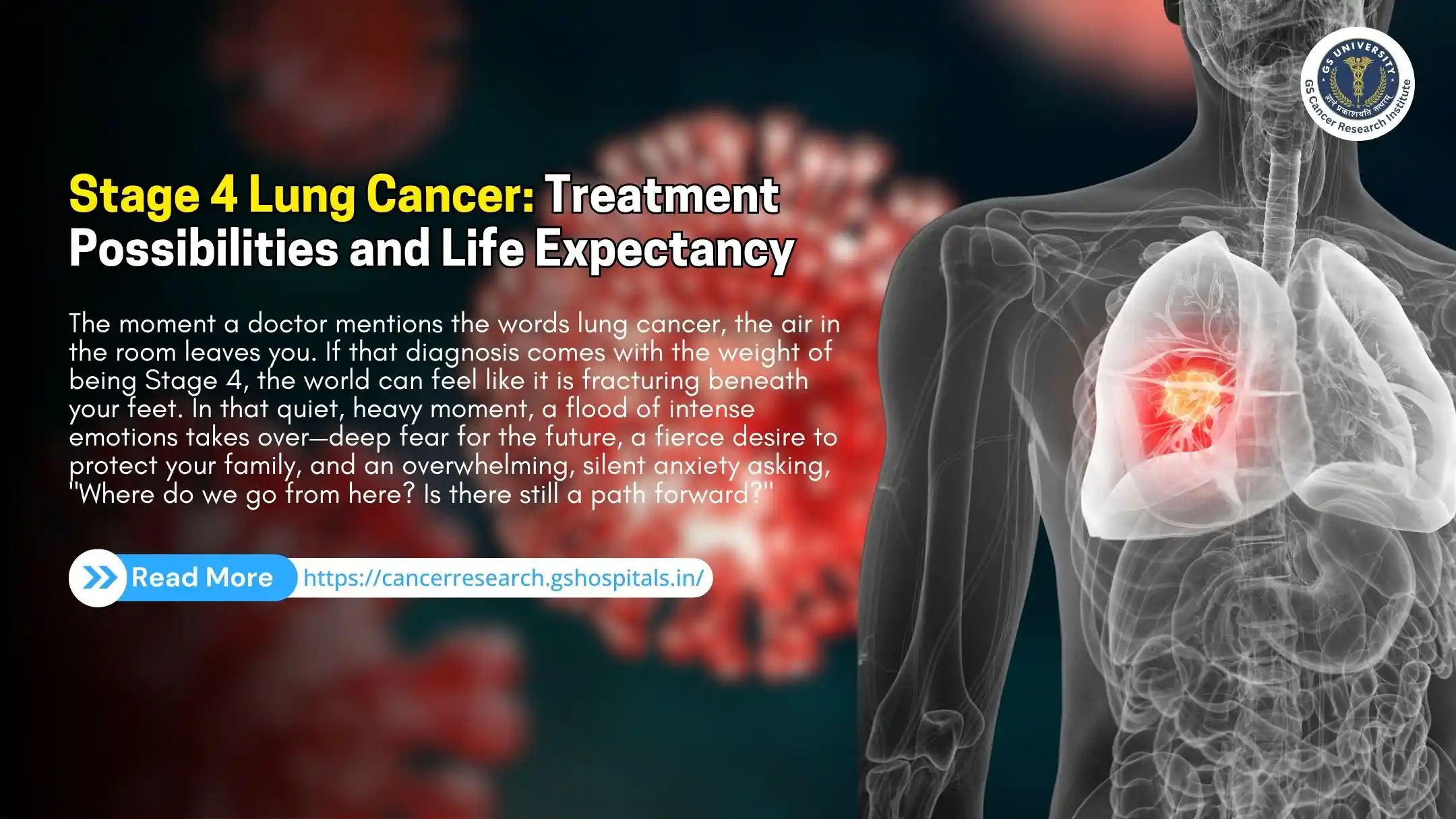
Stage 4 Lung Cancer: Treatment Possibilities and Life Expectancy
The moment a doctor mentions the words lung cancer, the air in the room leaves you. If that diagnosis comes with the weight of being Stage 4, the world can feel like it is fracturing beneath your feet. In that quiet, heavy moment, a flood of intense emotions takes over—deep fear for the future, a fierce desire to protect your family, and an overwhelming, silent anxiety asking, "Where do we go from here? Is there still a path forward?"
For a very long time, an advanced diagnosis of this nature was met with a sense of clinical helplessness. But medicine has experienced a quiet, beautiful revolution. Today, entering Stage 4 is no longer a definitive closing chapter. Instead, modern oncology treats it as a complex, chronic condition—an illness that requires highly sophisticated management, targeted control, and a deeply dedicated medical team to extend your life while preserving the joy, comfort, and dignity of your daily routine.
True healing, however, requires more than advanced machinery; it requires deep human empathy. For families across western Uttar Pradesh and the broader region, finding this balance no longer requires a stressful, exhausting journey into congested metropolitan cities. The GS Cancer Research Institute and GS Super Speciality Hospital have built a local sanctuary of clinical excellence. By combining premier global technology with heartfelt, patient-first care, they ensure that every individual has access to the finest treatment, keeping the light of recovery burning brightly close to home.
Unpacking the Reality: What is Stage 4 Lung Cancer?
To understand the treatment options available, it helps to look closely at what is happening inside the body. Doctors generally divide this condition into two primary categories based on how the cells look under a microscope: Non-Small Cell Lung Cancer (NSCLC), which represents the majority of diagnoses, and Small Cell Lung Cancer (SCLC), an aggressive variation that requires rapid medical intervention.
When a diagnosis reaches Stage 4, it simply means that cells from the original tumor have broken away and traveled through the blood or lymphatic systems to settle in other areas of the body.
- Stage 4A: The disease has spread within the immediate chest area—perhaps migrating to the opposite lung, or causing fluid to accumulate around the lung or the heart.
- Stage 4B: The cells have established themselves in more distant organs, most commonly traveling to the bones, the brain, the liver, or the adrenal glands.
At this crossroad, the core focus of medicine shifts. While completely eradicating every trace of the condition may not be clinically possible, the objective transitions into a powerful, proactive strategy: shrinking existing tumors, stopping new growth, managing physical symptoms, and significantly extending meaningful, high-quality time with the people you love.
Rewriting the Narrative on the Lung Cancer Survival Rate
One of the most agonizing things a family can do after a diagnosis is look up generic statistics online. Traditional data often states that the five-year relative lung cancer survival rate for advanced stages sits in the single digits, between 6% and 10%.
A Vital Reassurance for Caregivers: These numbers are historical landmarks. They look backward, reflecting patients who were treated years ago using outdated methods. They completely fail to capture the reality of a patient beginning treatment today with immediate access to modern immunotherapy and targeted cellular therapies.
Today, the concept of a lung cancer survival rate is highly individualized. There is no single, universal timeline. A patient whose tumor has a specific genetic blueprint might manage their condition for years simply by taking a daily, highly targeted pill at home. Your unique path depends on several personal factors:
- The exact microscopic subtype of your condition.
- The discovery of specific genetic biomarkers within the tumor.
- Your overall physical strength and daily activity levels.
- How quickly you can begin care at a specialized oncology hospital in delhincr.
Modern Treatment Possibilities: The New Era of Care
The medical approach to advanced lung cancer has evolved far beyond the old method of using heavy, non-specific treatments. Today, specialized medical teams use precision medicine to map out an individualized attack plan based on the precise genetic characteristics of the tumor.
1. Targeted Therapy: A Precision Strike
Targeted therapies act like heat-seeking missiles. Before any stage 4 lung cancer treatment begins, a sample of the tumor undergoes molecular profiling or Next-Generation Sequencing (NGS). This test checks the DNA of the cancer cells to find specific mutations that are causing them to multiply.
If a mutation is discovered, specialized oral medications can block those growth pathways entirely:
- EGFR Mutations: Managed with highly specialized, daily oral tablets that disrupt tumor cell division.
- ALK and ROS1 Variations: Controlled using advanced inhibitors that lock onto these specific genetic triggers.
- Emerging Mutations: New therapies are continually approved to target specific cellular shifts like KRAS or BRAF.
Because these medications target the malignant cells specifically, they cause far fewer side effects than traditional treatments, allowing patients to maintain their normal routines, spend time with family, and live comfortably.
2. Immunotherapy: Unmasking the Threat
Malignant cells are incredibly deceptive. They often create a protective protein shield that acts like an invisibility cloak, tricking your body’s natural immune system into thinking they are normal, healthy tissue.
Modern immunotherapy medications change everything. These treatments strip away that invisibility cloak, allowing your body’s own T-cells to recognize, target, and dismantle the tumor cells naturally. For patients whose tumors show a high expression of these protective proteins, immunotherapy can keep advanced conditions completely stable and controlled for years.
3. Advanced Chemotherapy Protocols
While targeted therapies and immunotherapy represent incredible leaps in medical science, traditional chemotherapy remains a powerful and trusted pillar of care. It is exceptionally useful for patients whose tumors lack specific genetic mutations, or those fighting Small Cell variations.
Modern oncology uses advanced combination regimens paired with supportive medications that drastically minimize common side effects like nausea, hair thinning, and fatigue, making the entire treatment process much gentler on the body.
4. Focused Radiotherapy for Comfort and Relief
In advanced treatment plans, radiation is highly valuable for providing rapid comfort and relief from localized pain. Advanced radiation platforms, such as the Halcyon system, deliver ultra-precise, rapid energy beams directly to specific areas where the disease has spread.
- Easing Bone Discomfort: Quickly relieving localized bone pain and preventing structural fractures.
- Protecting Neurological Health: Shrinkage of tumors that have traveled to the brain, relieving headaches, balance issues, or dizziness.
- Restoring Easy Breathing: Clearing blockages in the major airways to allow patients to breathe comfortably and deeply again.
Elite Medical Care Right in Your Neighborhood
For decades, families living across Hapur, Pilkhuwa, or Ghaziabad faced a heartbreaking dilemma when dealing with a severe health crisis. Accessing advanced oncology meant enduring long, stressful journeys into downtown New Delhi. For a patient already dealing with physical pain and low immunity, spending hours in heavy highway traffic, navigating large urban medical centers, and facing high city prices added an immense layer of exhaustion to an already painful situation.
The development of the GS Super Speciality Hospital has completely transformed the healthcare landscape of western Uttar Pradesh. Families no longer have to leave their homes or sacrifice their life savings to find world-class care. By bringing top-tier clinical infrastructure, highly advanced diagnostic systems, and a team of dedicated cancer specialists directly to the region, the hospital serves as a trusted sanctuary of healing.
As a leading destination for specialized lung cancer treatment in hapur, this institution ensures that critical therapies can begin immediately. This local accessibility removes heavy logistical stress, allowing patients to recover in the comfort of their own homes, surrounded by the family and neighbors who love them most.
A Healing Sanctuary Guided by Empathy and Innovation
What truly defines a premium medical institution is the human heart beating behind its clinical walls. A cancer journey is never just a biological challenge; it is an emotional and spiritual experience that tests a family's resilience. True recovery requires an environment where you feel fully seen, heard, respected, and safe.
This deep empathy is felt the moment you step through the doors of the GS Cancer Research Institute. The medical oncologists, thoracic specialists, radiation experts, and nurses understand the fear that follows a diagnosis. They take the extra time to explain every step of your care path, sit with you to ease your worries, and design treatment plans tailored to your unique life situation.
This holistic approach balances advanced medical science with emotional wellness. Integrated counseling services help guide families through anxiety, while custom nutritional plans preserve physical strength and vitality throughout the healing process. This seamless harmony of clinical excellence and genuine human kindness is precisely why families across the region trust this institution as the Best Hospital in Hapur. It stands as a true partner in health, ensuring that every individual receives the comprehensive care they deserve.
Standing Proud Among the Finest Healthcare Centers
While the hospital sits peacefully outside the frantic, overwhelming rush of the capital district, its technical infrastructure, NABL-accredited laboratory diagnostics, and highly respected clinical specialists match the capabilities of any major metropolitan center. This exceptional balance allows it to rank confidently as a premier Best Hospital in Delhi NCR.
It serves as a shining example of how a modern medical institution can offer advanced, world-class treatments while remaining fully committed to grassroots community service. It stands firmly as a premier regional care provider, built on the core belief that financial status or geographic location should never dictate a person's right to receive elite, life-saving medical care.
Your Trusted Ally on the Journey to Wellness
When major health challenges arrive, you do not have to carry the emotional and financial burden entirely on your own shoulders. Your family deserves the reassurance of clear answers, the precision of advanced technology, and the comfort of a medical team that truly cares about your peace of mind.
By choosing an institution dedicated to providing an approachable, expert path to recovery, you are placing your loved ones in safe, deeply compassionate hands. Let go of the heavy anxiety of navigating this diagnosis alone, and focus your spirit entirely on what matters most: resting, healing, and stepping forward into a bright, healthy tomorrow.
Frequently Asked Questions (FAQs)
1. Is an advanced Stage 4 diagnosis completely curable?
Strictly speaking, when this condition reaches Stage 4, it is generally considered difficult to completely cure because the cells have traveled to other areas of the body. However, it is highly treatable. With modern innovations like targeted therapies and immunotherapy, doctors can often manage the disease as a chronic condition—shrinking tumors, preventing progression, and allowing patients to live active, fulfilling lives for an extended time.
2. How does targeted therapy differ from traditional chemotherapy?
Chemotherapy works by targeting all rapidly dividing cells throughout the body. While it is highly effective, it cannot differentiate between cancer cells and healthy fast-growing cells, which can lead to common side effects. Targeted therapy, on the other hand, is precision medicine. It is designed to find and attack specific genetic mutations or proteins found only on the cancer cells, blocking their ability to grow while leaving healthy tissues unharmed.
3. Can I receive high-quality lung cancer treatment in hapur, or should I travel to Delhi?
You can safely receive top-tier, world-class treatment locally without the stress and exhaustion of traveling into Delhi. The local facility features advanced chemotherapy suites, specialized oncology teams, and state-of-the-art precision radiation technology. This allows local residents to receive the exact same high-standard, comprehensive care right within their community, close to home and family support.
4. What are the common signs that indicate the condition may have spread to other organs?
Symptoms depend entirely on where the cells have traveled. If the disease spreads to the bones, it can cause persistent, localized bone pain that often feels worse at night. Spread to the brain may manifest as unexplained headaches, balance issues, vision changes, or sudden dizziness. Spread to the liver might cause upper abdominal discomfort, loss of appetite, or unexplained weight loss. Any new symptoms should be shared with your medical team immediately.
5. Why is this facility considered a premier oncology hospital in delhincr for family care?
The institution stands out because it seamlessly combines high-end medical technology with deep human compassion. In addition to providing advanced surgical, chemotherapy, and radiation options, the hospital looks after the whole person by offering emotional counseling, direct nutritional planning, and a warm, dedicated staff that guides every patient like a member of their own family.